

Ibicencan gastronomy is one of the best ways to get to know the island. Between seafood recipes, traditional country dishes and desserts closely linked to the local memory, Ibiza preserves a cuisine with a lot of personality.
Ibiza has a cuisine that reflects its character very well: Mediterranean, simple in appearance, but deeply linked to the territory, the seasons and family customs. In the Ibizan table coexist the sea and the countryside, the cuisine of celebration and everyday cooking, dishes designed to share and sweet recipes that have been passed from generation to generation. Many of these elaborations are still part of the island’s identity and are still recognized today as flavors typical of Ibiza.
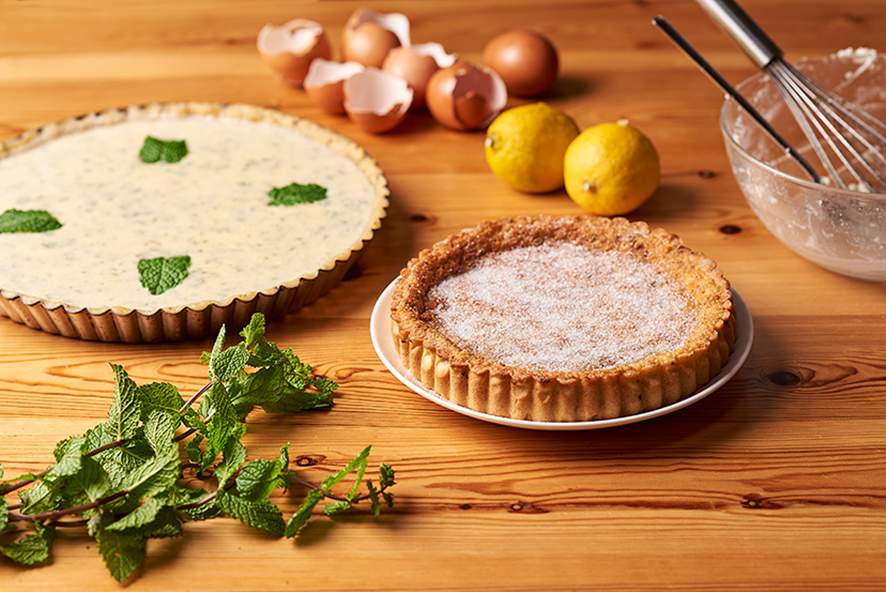
Among the most representative desserts is the flaó, a very unique cake traditionally made with cheese and mint. Its flavor mixes the creamy point of cheese with a fresh and aromatic nuance that makes it unmistakable. For a long time it was especially associated with Easter, although nowadays it can be found all year round and has become one of the great symbols of Ibizan confectionery. Next to it stands out the greixonera, a dessert made with ensaimadas, milk and egg, with a texture between pudding and sweet of use, very linked to the domestic and traditional cuisine.
Another well-known sweet is the orelletes, light and crunchy pastries with a characteristic shape, very present in social gatherings, parties and celebrations. They are part of that local pastry that is not only understood as something gastronomic, but also as a cultural and festive element. In Ibiza, traditional desserts are not just a simple end to a meal: they are often linked to specific times of the year and to a way of getting together that still has a lot of weight in the life of the island.
In the salty part, one of the great emblems is the bullit de peix, probably the most iconic seafood dish of Ibiza. It is prepared with fish and potatoes, and is usually served as a two-course experience: first the fish and then a rice made with the resulting broth, usually a banda or caldoso. It is a recipe closely linked to the island’s fishing tradition and to a cuisine where seafood clearly rules. Its strength lies in the intensity of the broth, in the prominence of the fish and in that Mediterranean character that makes the dish a very recognizable experience.
In a completely different register appears the arroz de matanzas, a recipe linked to the rural world and to one of the most traditional winter rituals. It was a dish prepared with meat from the slaughter, along with saffron, mushrooms and other ingredients that could vary according to the house and the cook. More than a closed recipe, it represents a collective, seasonal way of cooking, deeply connected to country life. That is why it continues to be one of those dishes that speak not only of flavor, but also of memory, community and custom.
Ibicencan cuisine has precisely this value: it does not limit itself to offering tasty recipes, but preserves ways of life. A flaó, a greixonera, orelletes, bullit de peix or arroz de matances are much more than typical dishes. They are a way to understand Ibiza from the inside, through its most authentic flavors.