

Supermarkets are evolving rapidly. Convenience, technology, private label and ready-to-eat food are transforming the shopping experience and the way the store is organized.
Today’s supermarket no longer competes solely on price or assortment. Shopping has become more complex, more hybrid and much more linked to the consumer’s lifestyle. Today, what is sold is as important as the way it is presented, found and incorporated into the daily routine. Customers are looking for speed, clarity, good selection, more practical proposals and a shopping experience that adapts to more flexible schedules and increasingly unpredictable habits.
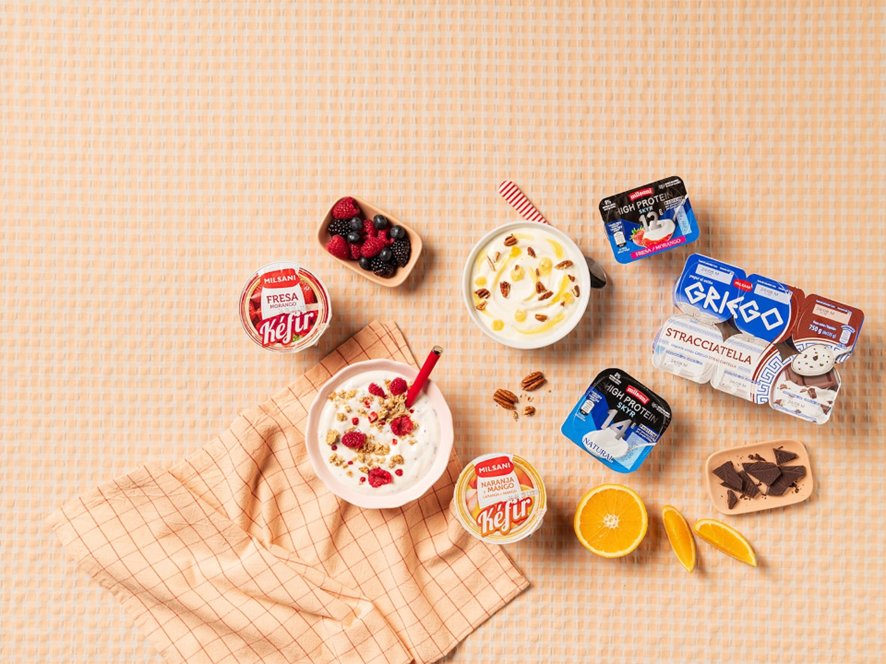
One of the strongest trends is the growth of private label. It is no longer perceived only as an economical alternative and is increasingly occupying a more stable position in the shopping basket. In Europe, its weight continues to grow and it is establishing itself as a category that many consumers buy not only for savings, but also for trust, functionality and perceived value. This is leading many retailers to work on private label with more design, more differentiation and a clearer proposal by category.
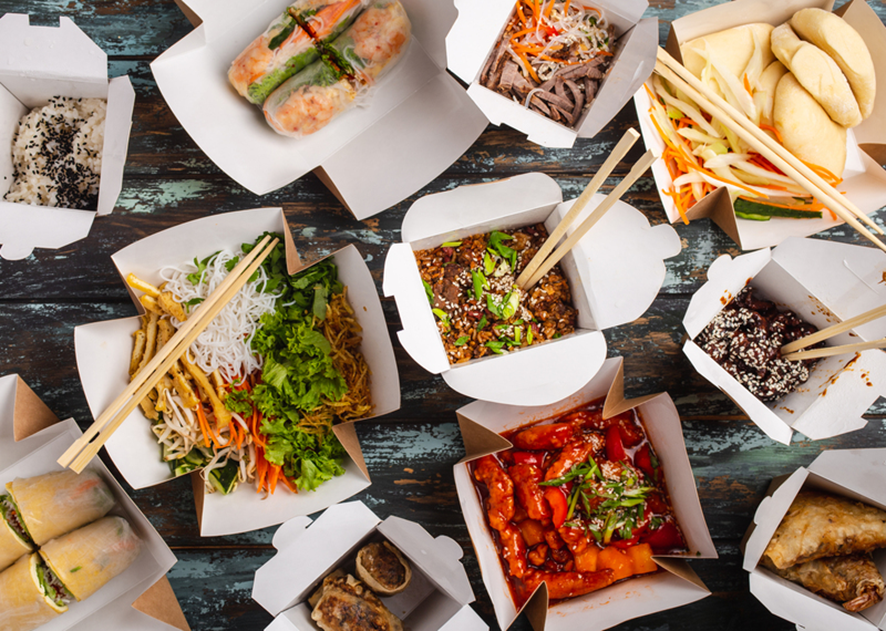
Another clear trend is the rise of ready-to-eat and food-to-go. The line between supermarket and fast food is becoming increasingly blurred. Many people are no longer just looking for ingredients to cook at home, but also for ready-made or semi-prepared solutions to solve a meal of the day in a quick, convenient and appetizing way. This is especially noticeable among younger consumers, who are more naturally integrating take-away, functional snacking, ready-to-eat meals and everything related to convenience.
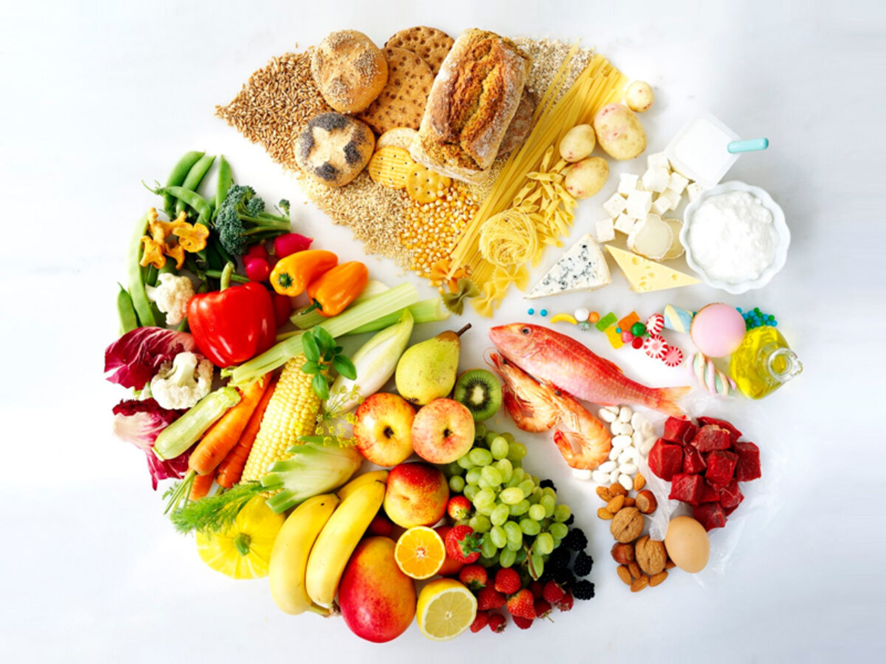
Health, functionality and assortment segmentation are also gaining weight. Customers do not always define “eating better” in the same way: for some it may mean less processed food, for others more protein, for others fewer calories or more natural products. This forces supermarkets to refine their offerings, better identify who they are targeting, and build more useful and less generic shelves. Food shopping is becoming more conscious and, at the same time, more personalized.
Technology is also accelerating this transformation. Artificial intelligence, shopping behavior analysis and better data management are making it possible to anticipate demand, optimize inventory, adjust assortment and improve daily operations. But the important change is not just in having technology, but in using it to make the store actually work better: less stock-outs, more clarity in the offer, more agility and a smoother shopping experience.
In the coming years, the best performing supermarkets will probably be those that know how to combine three things: convenience, identity and execution. In other words, stores that can adapt to the real pace of people, offer a recognizable proposition and turn innovation into something useful for everyday life. This is where much of the future of food retailing is now being played out.