
Ibiza not only preserves landscapes and gastronomy. It also maintains its own cultural expressions, from dances and popular music to a way of dressing that has evolved without losing its roots.
Ibiza has a much deeper cultural identity than is sometimes conveyed by its more touristy image. The island has been able to preserve traditions that are still very present in local life and still appear today in festivals, celebrations and cultural manifestations very recognizable. That continuity between past and present is one of the things that give Ibiza such a unique personality within the Mediterranean.
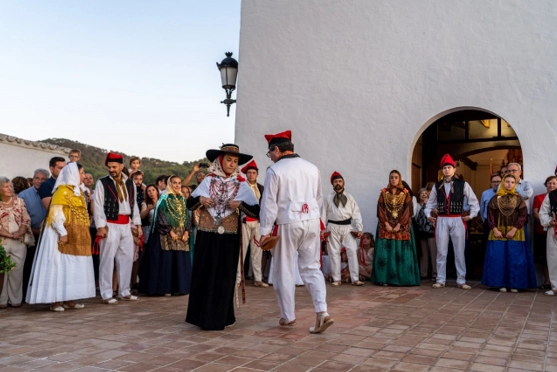
One of the most characteristic expressions is the ball pagès, the traditional dance of the island. Its presence in church squares, popular festivals and old community spaces shows to what extent it is still a living manifestation and not just a folkloric piece to be exhibited. It has a very ancient character, an aesthetic of its own and a visual strength that clearly distinguishes it from other Mediterranean traditions. More than a dance, it represents a way to keep the roots alive and to give continuity to a collective memory.
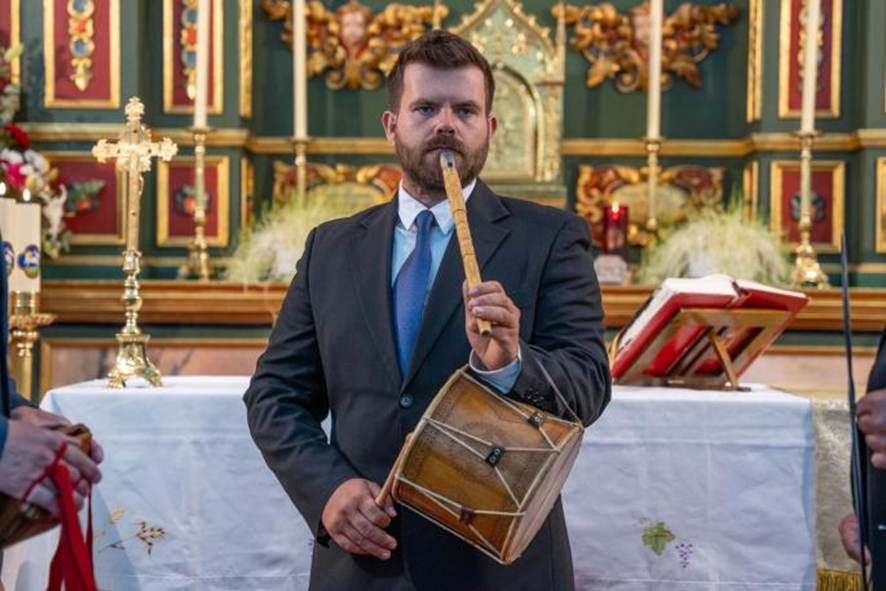
Also part of this cultural heritage are the caramelles, traditional musical compositions linked especially to Christmas and, in some variants, to Easter. Its survival shows how popular music continues to occupy an important place in the festive calendar of the island. They are a sample of that more intimate Ibiza, where oral transmission, shared celebration and the link with the community continue to have value.
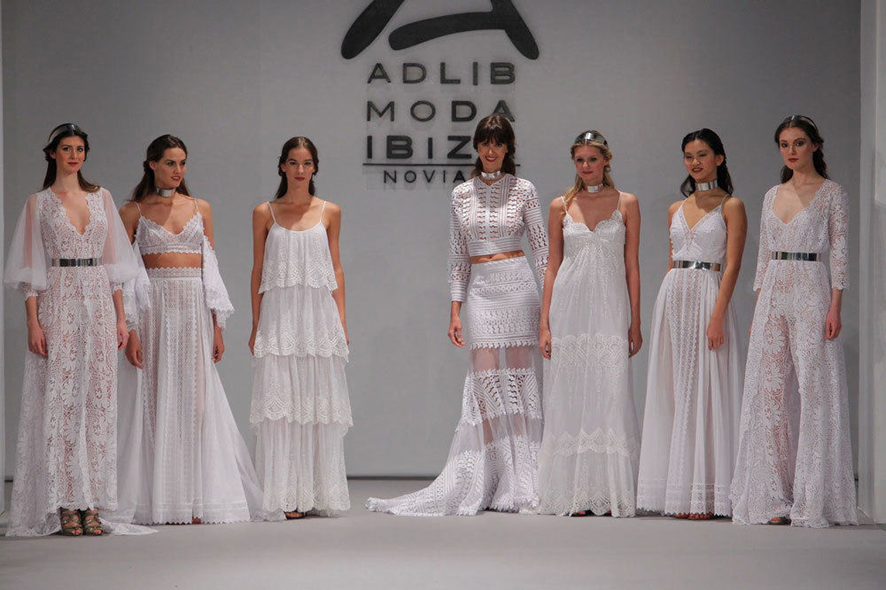
Another very recognizable symbol is Adlib fashion, which managed to project an international image of Ibiza without breaking away from local tradition. Her aesthetic is deeply connected to the traditional Ibizan costume: straw hats, espardenyes, shawls, lace, embroidery and elements of the island’s female dress have served as inspiration for a way of dressing that is associated with freedom, naturalness and craftsmanship. Since its modern impulse in 1971, it has evolved as a style expression of its own, while maintaining an evident link to Ibiza’s textile and cultural roots.
The interesting thing about Ibiza is precisely that mix: an island capable of being contemporary and cosmopolitan, but also very conscious of what makes it different. In their dances, in their music, in their clothing and in many of their celebrations, there is still a clear will to preserve what is their own. And that adds a layer of depth that goes far beyond the usual postcard.